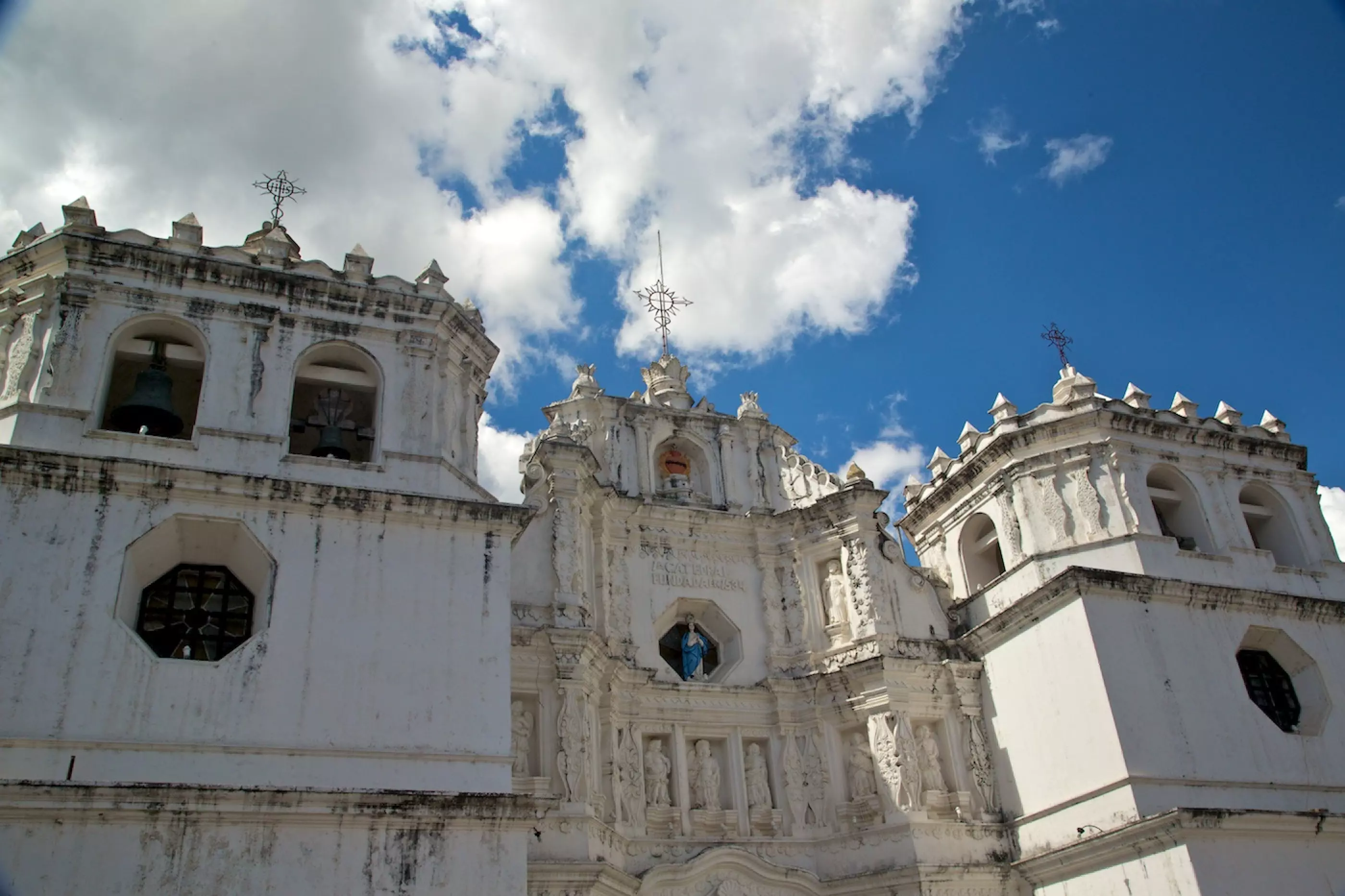
Ciudad Vieja
The historic center features colonial architecture, the Cabildo, and the Metropolitan Cathedral. Visitors often spend time navigating its grid of narrow streets.
Walk toward Plaza Matriz for the best architectural details.

Montevideo sits three hours across the Río de la Plata by ferry, close enough for a day trip yet far enough that the decision requires weighing logistics against reward. This guide examines what a single day in Uruguay's capital delivers, how the crossing works, and whether the experience justifies the time and cost involved.
Quick answer
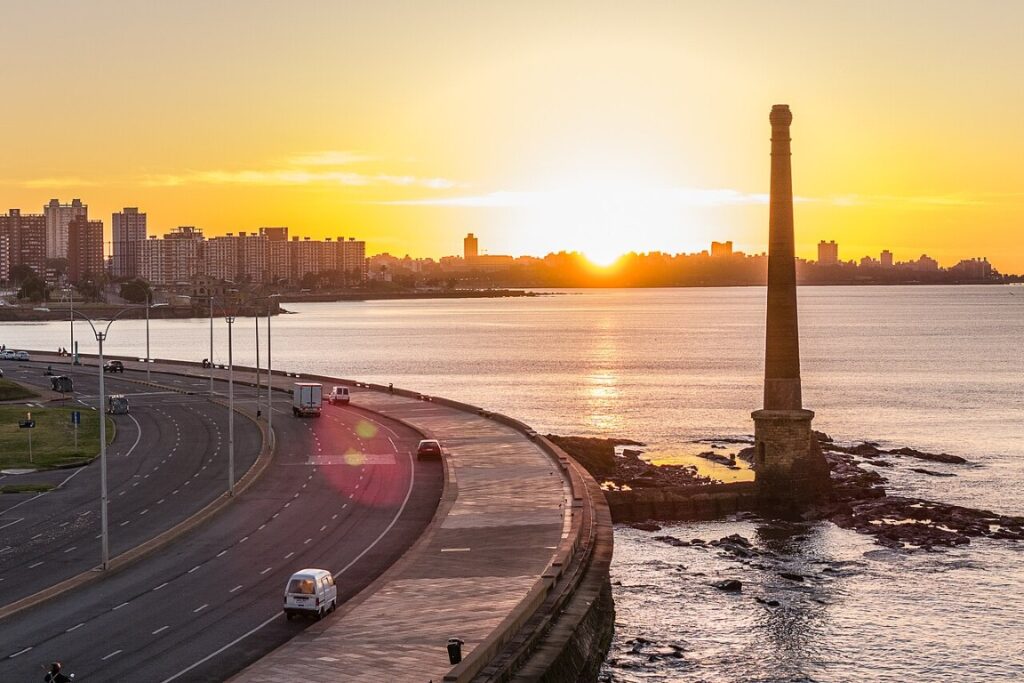
Yes, visiting Montevideo from Buenos Aires is worth it if you want a slower-paced riverside city with colonial architecture, open public access, and a distinctly different cultural rhythm from Argentina. The ferry crossing takes roughly three hours each way, leaving you six to seven hours on the ground—enough to walk the Ciudad Vieja, follow the Rambla waterfront, and sample Uruguayan parilla. The city is accessible at no entrance cost. The trip works best for travelers seeking contrast rather than density of landmarks.
Montevideo receives fewer than half the annual visitors Buenos Aires does, yet it sits close enough that ferries depart multiple times daily. The asymmetry shapes the experience: you trade the density and energy of a thirteen-million-person metropolis for a capital of 1.3 million where the waterfront stretches uninterrupted for over twenty kilometers and the old quarter retains working port infrastructure alongside colonial facades. The practical case for a Buenos Aires to Montevideo excursion hinges on three factors: whether you value architectural and cultural contrast, whether six hours feels adequate, and whether the ferry schedule aligns with your rhythm. The Ciudad Vieja quarter—bounded by the original fortification lines—preserves neoclassical theaters, art deco office blocks, and the nineteenth-century Mercado del Puerto under a single walkable grid. The Rambla promenade runs from the old port to the eastern beach suburbs without commercial interruption, offering a linear park uncommon in South American capitals. Uruguayan parilla emphasizes different cuts than Argentine asado, and the café culture leans toward quieter tempos. Whether the crossing from Argentina justifies itself depends on what you expect from a day trip. Montevideo does not concentrate its appeal into a single monumental district the way some capitals do. Instead, it offers cumulative texture: the way the Rambla opens the city to the river, the scale of the legislative palace, the density of bookshops in the old town, the absence of the hustle that defines Buenos Aires. If your week in Argentina already includes Iguazú or Patagonia, the added ferry logistics may feel redundant. If you have margin and prefer cities that reveal themselves through walking rather than through queuing at fixed attractions, the trip delivers. The cidade operates as public space rather than ticketed site, meaning your budget centers on transport, meals, and whether you enter the handful of paid museums. Most visitors walk a loop from the ferry terminal through Ciudad Vieja to the Rambla, return via the legislative district, and leave with a sense of the city's proportions rather than a checklist of completed landmarks. That structure suits some travelers and frustrates others. The question is not whether Montevideo has merit—it does—but whether a single day across the water aligns with how you prefer to learn a place.
“Montevideo reveals itself through walking rather than through queuing at fixed attractions.”
The best arrival window for a day trip to Montevideo is 09:00–17:00 to ensure optimal daylight for walking the Rambla and exploring the Ciudad Vieja. Aligning your arrival with this window maximizes the limited time available after ferry transit.
Warm and sunny, 20°C to 28°C
Summer offers the most daylight for coastal activities and outdoor dining.
Mild and pleasant, 15°C to 22°C
Autumn provides comfortable walking temperatures for exploring historical city sectors.
Cool and humid, 8°C to 15°C
Winter weather is unpredictable but ideal for indoor museum visits and cafes.
Temperate, 12°C to 20°C
Spring brings blooming gardens and balanced conditions for traversing the city on foot.
Verdict: The optimal window is Tuesday to Thursday between 09:00–17:00 during the months of April or October to balance crowd levels and temperate weather.
Montevideo is located across the Río de la Plata from Buenos Aires, making the ferry the most direct and common transit method. Services operate regularly between the central terminals of both capital cities.
Buquebus from Terminal Puerto Madero to Terminal Fluvial de Montevideo
Colonia Express from Terminal Puerto Madero to Montevideo (via bus connection in Colonia)
For the most efficient transit, travelers should aim for the direct ferry service. Please refer to our booking widget to check current availability and departure schedules for your travel dates.
Montevideo offers a distinct urban character shaped by its historic core and extensive coastline. These highlights provide a framework for exploring the city's architectural and cultural landmarks.
The historic center features colonial architecture, the Cabildo, and the Metropolitan Cathedral. Visitors often spend time navigating its grid of narrow streets.
Walk toward Plaza Matriz for the best architectural details.
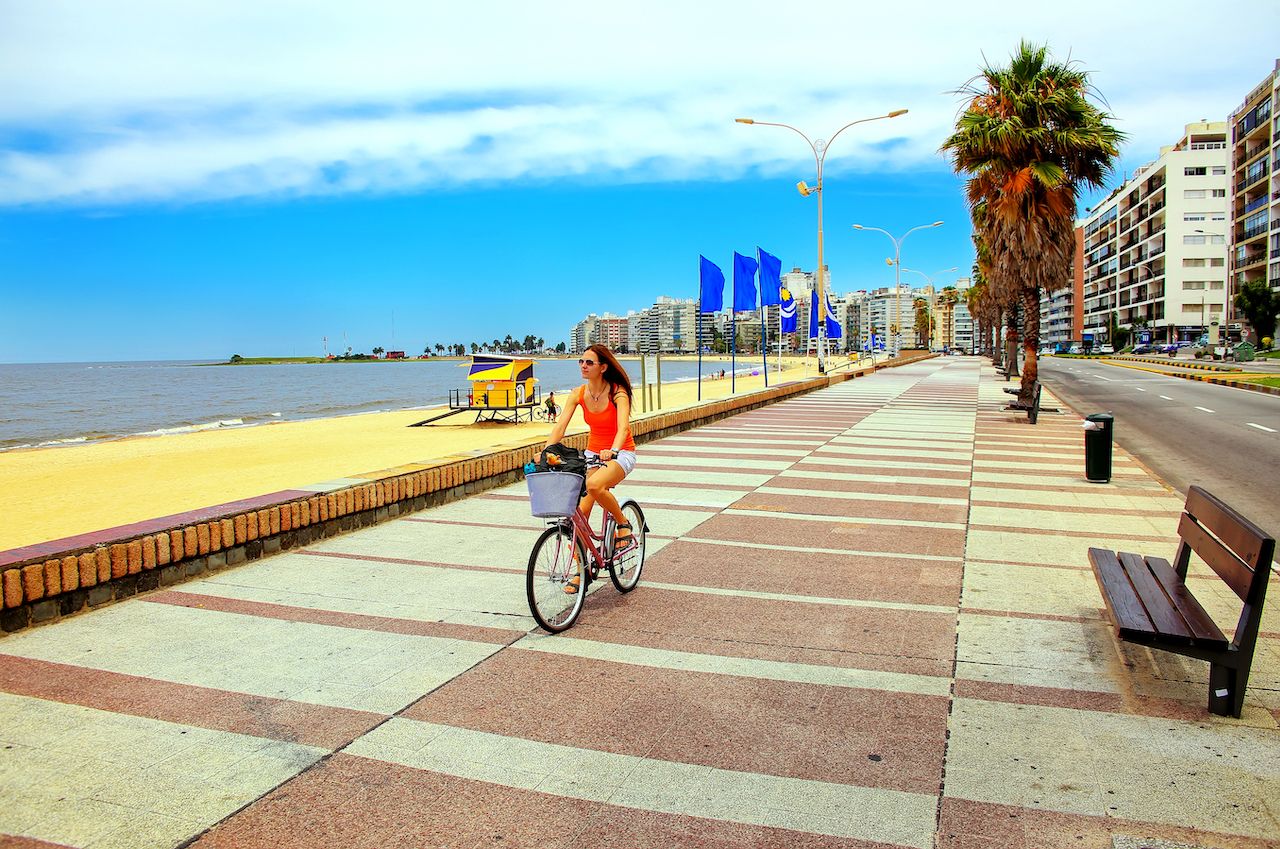
This continuous 22-kilometer pedestrian promenade stretches along the city's coastline. It serves as a central social space for locals and offers views of the Rio de la Plata.
Visit during the late afternoon for optimal coastal light.

Located near the port, this 19th-century market building is known for its iron structure and traditional parrilla restaurants. It serves as a hub for local culinary culture.
Observe the grill masters at work near the central stalls.
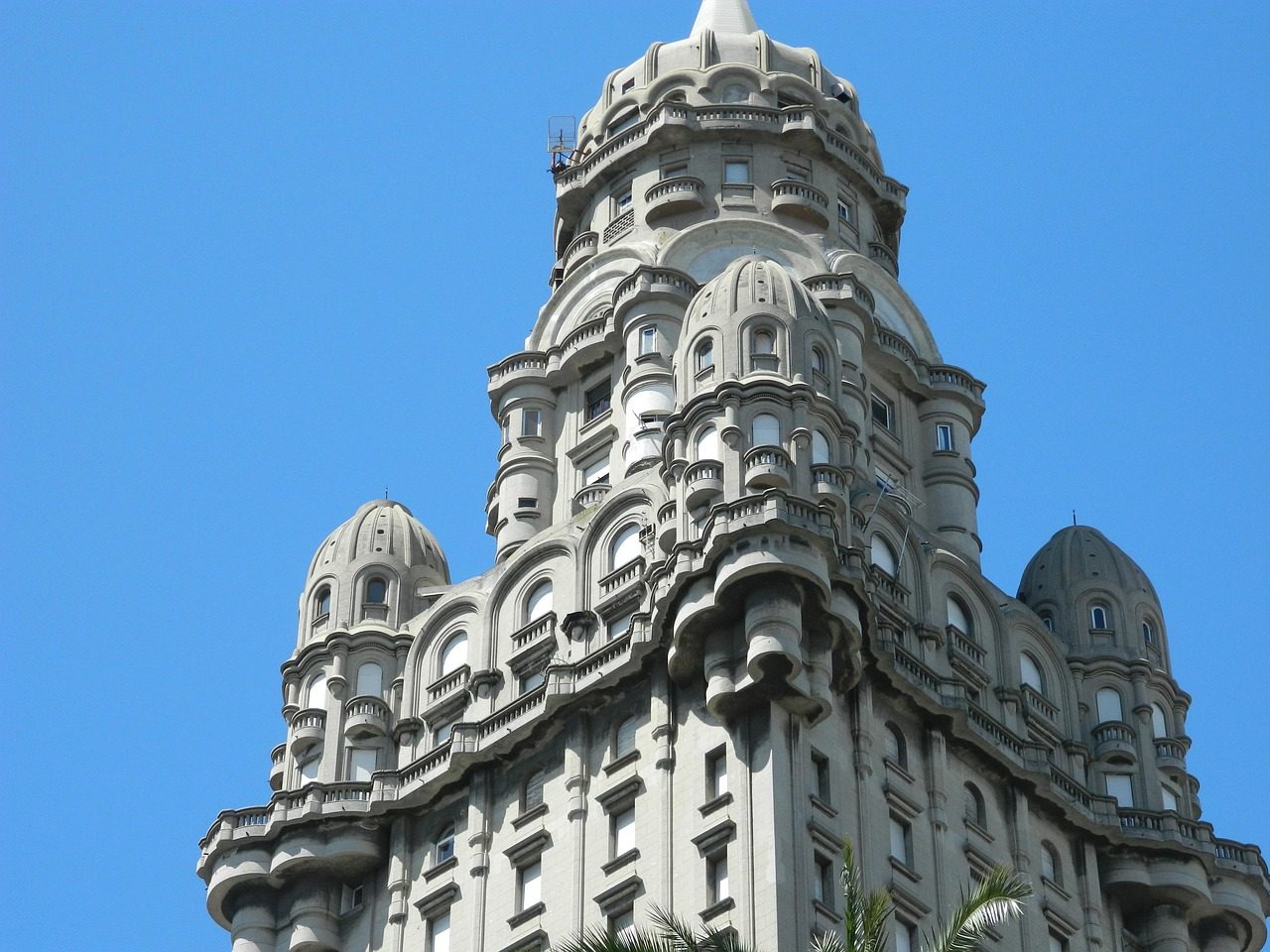
Standing at the entrance of Plaza Independencia, this landmark building features a distinct tower and eclectic architectural design. It remains a recognizable symbol of the city skyline.
View the building facade from the corner of 18 de Julio.
Choosing between a single-day excursion and an overnight stay depends on whether you prefer a high-energy overview of the city or a comprehensive, relaxed experience. Travelers must balance the time invested in transit against the depth of their exploration in Montevideo.
| Day Trip Overnight Stay | Single-day visit Multi-day visit Recommended | |
|---|---|---|
| Pace of Visit | Fast and condensed | Leisurely and thorough |
| Depth of Exploration | Ciudad Vieja focus | Full city and neighborhood immersion |
| Logistical Effort | High turnover | Minimal daily transit focus |
| Required Transit | Two ferry crossings | Single round-trip |
| Best For | Time-constrained travelers | Cultural enthusiasts |
Verdict: Select a day trip for a targeted visit to the historic center, or choose an overnight stay to engage with the broader local culture and the Rambla at a slower pace.
Everything you need to know about is it worth visiting montevideo from buenos aires
Travelers often find that crossing the Rio de la Plata offers a distinct change of pace and a relaxed coastal atmosphere. Determining if it is worth visiting montevideo from buenos aires depends on your interest in exploring historic architecture and serene waterfronts in a single day.
A visit to the Ciudad Vieja provides a glimpse into the city's colonial past and historic plazas. Beyond the old town, the Rambla offers expansive waterfront views that define the capital's geography.
Many families enjoy the city's numerous public parks and open pedestrian-friendly streets. As long as travel logistics are managed effectively, it is worth visiting montevideo from buenos aires with children who enjoy outdoor walks and city exploration.
To make the most of your time, plan your arrival for the 09:00–17:00 window. This provides optimal daylight for walking the Rambla and exploring the historic center before evening ferry departures.
Public areas such as city plazas, streets, and the waterfront are accessible at no cost, with an entrance fee of 0 UYU. You will not need to pay admission to experience the general atmosphere of the capital.
A frequent error is underestimating the ferry transit time between the two cities. Visitors often fail to account for customs procedures, which can shorten the available time spent sightseeing in the city.
The city offers a unique blend of heritage, from the bustling Mercado del Puerto to the quiet charm of its coastal boulevards. For those interested in Uruguayan traditions, it is worth visiting montevideo from buenos aires to experience its local pace of life.