English| EUR
Suggested for you
More currencies
Choose a language
The Río de la Plata separates two capital cities by less than 200 kilometers of water, yet the journey between them involves international borders, mandatory customs clearance, and precise departure windows. Understanding the full timeline—not just the sailing time—determines whether this crossing fits a day trip or requires overnight planning.
Quick answer
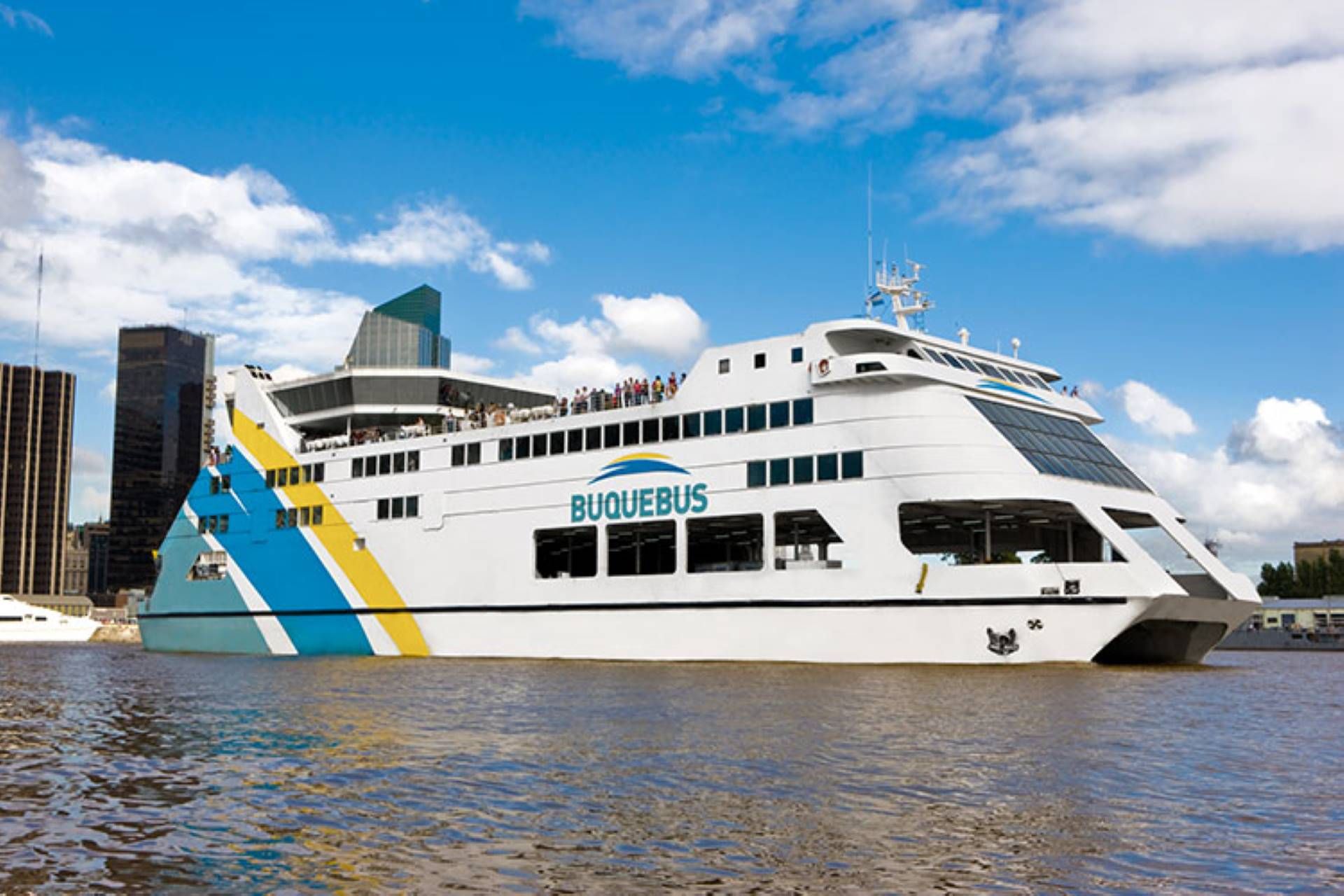
The direct ferry from Buenos Aires to Montevideo takes 2 hours and 15 minutes of sailing time aboard Buquebus fast catamarans. However, you must arrive at Terminal Buquebus 90 minutes before departure for mandatory international customs and immigration processing, making your total commitment from terminal entry to Montevideo arrival approximately 4 hours. Multiple daily departures operate between 07:00 and 20:00.
The Río de la Plata is the widest river in the world at its mouth, and crossing it by ferry remains faster than any overland route between Argentina and Uruguay. Buquebus operates the primary international service from Terminal Buquebus on Avenida Antártida Argentina in Buenos Aires, using high-speed catamarans that cover the 200-kilometer distance in just over two hours. But how long is the ferry from buenos aires to montevideo when you account for the full process? The sailing itself is only part of the equation. Because this is an international crossing, passengers clear Argentine exit immigration and Uruguayan entry immigration, a process that requires arriving 90 minutes before your scheduled departure. Late arrivals forfeit their booking. The terminal operates daily from 07:00 to 20:00, with departures spread throughout the day to accommodate both business travelers making same-day returns and tourists building the crossing into a longer itinerary. The fast catamaran service is the standard option, offering onboard amenities including assigned seating, dining service, and duty-free shopping during the crossing. Weather on the Río de la Plata can be unpredictable—strong winds occasionally delay departures or make the crossing rougher than expected, though cancellations are rare. Most passengers find the journey smooth, particularly on morning sailings when river conditions tend to be calmer. When planning your travel time across the rio de la plata, factor in both ends of the journey. On the Buenos Aires side, allow extra time if you're arriving from a hotel in Palermo or Recoleta, as traffic to the port district can be heavy during morning rush hours. On the Montevideo side, the ferry terminal sits on the edge of Ciudad Vieja, the historic quarter, placing you within walking distance of the old town's colonial architecture and waterfront promenades. The proximity of both terminals to their respective city centers makes the ferry competitive with flights when you account for airport transit and security. The crossing has been a vital link since the 19th century, and modern fast ferry service has turned what was once an overnight voyage into a brief passage that fits comfortably within a single day. Whether you're making a quick business trip, extending a Buenos Aires visit into Uruguay, or comparing this route to overland border crossings via Colonia del Sacramento, the direct ferry remains the fastest way to connect these two capitals by water.
“The Río de la Plata is the widest river in the world at its mouth, and crossing it by ferry remains faster than any overland route between Argentina and Uruguay.”
The Buquebus ferry crossing from Buenos Aires to Montevideo takes 2 hours and 15 minutes on the direct service, though the full journey requires 4 to 5 hours when you account for mandatory international customs and immigration processing. This itinerary reflects a typical morning departure, with arrival 90 minutes early as required.
Reach the terminal at Avenida Antártida Argentina with your passport and ticket confirmation. International departure protocols require 90 minutes for document checks, security screening, and boarding formalities.
Clear Argentine exit procedures and Uruguayan pre-clearance if available. Queue times vary by season, so factor extra time during peak travel months.
Find your assigned seat or deck area once boarding is announced. The vessel departs promptly, so late arrivals forfeit their crossing.
The ferry leaves the terminal and enters the Río de la Plata, heading southeast toward Montevideo. The open-water crossing offers views of both coastlines as you travel.
Disembark at Terminal Tres Cruces or the port terminal, depending on your service. If additional Uruguayan immigration steps remain, follow port staff instructions before exiting.
Exit the terminal and connect to your onward transport—taxi, rideshare, or local bus. You're now free to explore Montevideo or continue your day trip itinerary.
The Terminal Buquebus in Buenos Aires operates daily to accommodate passenger travel to Montevideo. The facility maintains consistent hours throughout the week to assist travelers with their departures.
The Terminal Buquebus is located at Av. Antártida Argentina in Buenos Aires. It is most easily reached by taxi or ride-sharing services, which provide direct drop-off at the terminal entrance.
Direct to Av. Antártida Argentina
Line 75 or 129 to Terminal Buquebus
From Retiro Station to Av. Antártida Argentina
Arrive 90 minutes before your scheduled departure. This buffer is mandatory for completing international customs and immigration processing between Argentina and Uruguay.
International ferry crossings require valid documentation and advance preparation for customs clearance.
Everything you need to know about how long is the ferry from buenos aires to montevideo
The crossing typically takes between 2.5 and 4 hours depending on the operator and weather conditions. Planning for how long is the ferry from buenos aires to montevideo helps ensure you have enough time to explore the city upon arrival.
You can choose a high-speed direct ferry or a combination route involving a bus transfer via Colonia del Sacramento. While the indirect route is often cheaper, understanding how long is the ferry from buenos aires to montevideo allows you to decide if the direct option fits your schedule better.
Fares vary by provider and booking time, so it is best to check the official site for current pricing. When researching how long is the ferry from buenos aires to montevideo, remember that ticket prices are separate from any terminal entry fees.
You must arrive at the terminal 90 minutes before your scheduled departure time for mandatory international customs and immigration processing. This arrival window ensures you complete all legal requirements before the vessel departs.
Currently, passengers cannot transport cars on these ferry routes. All travel between the terminals is restricted to foot passengers only.
Ferries run daily with multiple departures available to suit various travel plans. Each sailing is subject to the standard immigration checks, so please manage your time accordingly.